

Thursday Theme Quiz #6: Historical artefacts
A free weekly 10-question quiz on a single theme

Welcome to the sixth Thursday Theme Quiz!
The theme this week is world and culture-focused: historical artefacts. Like the World Heritage Sites quiz from two weeks ago, it’s a great opportunity to learn about the rich and varied history of humanity all over this world of ours.
Questions
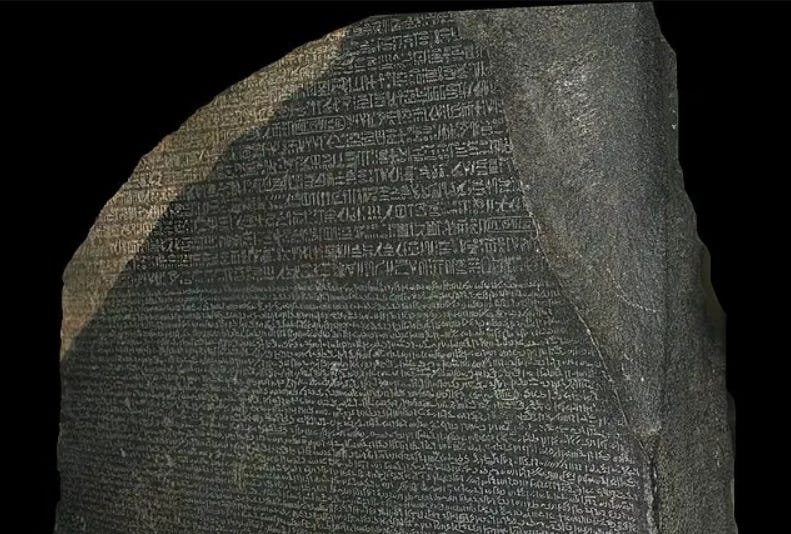
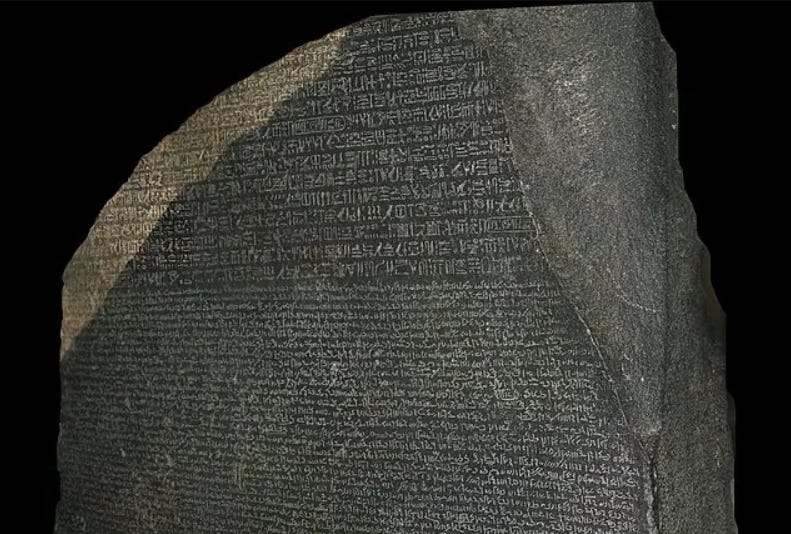
Which stele, which depicts a 196 BC decree by Ptolemy V in three languages, was critical to deciphering Egyptian hieroglyphs?
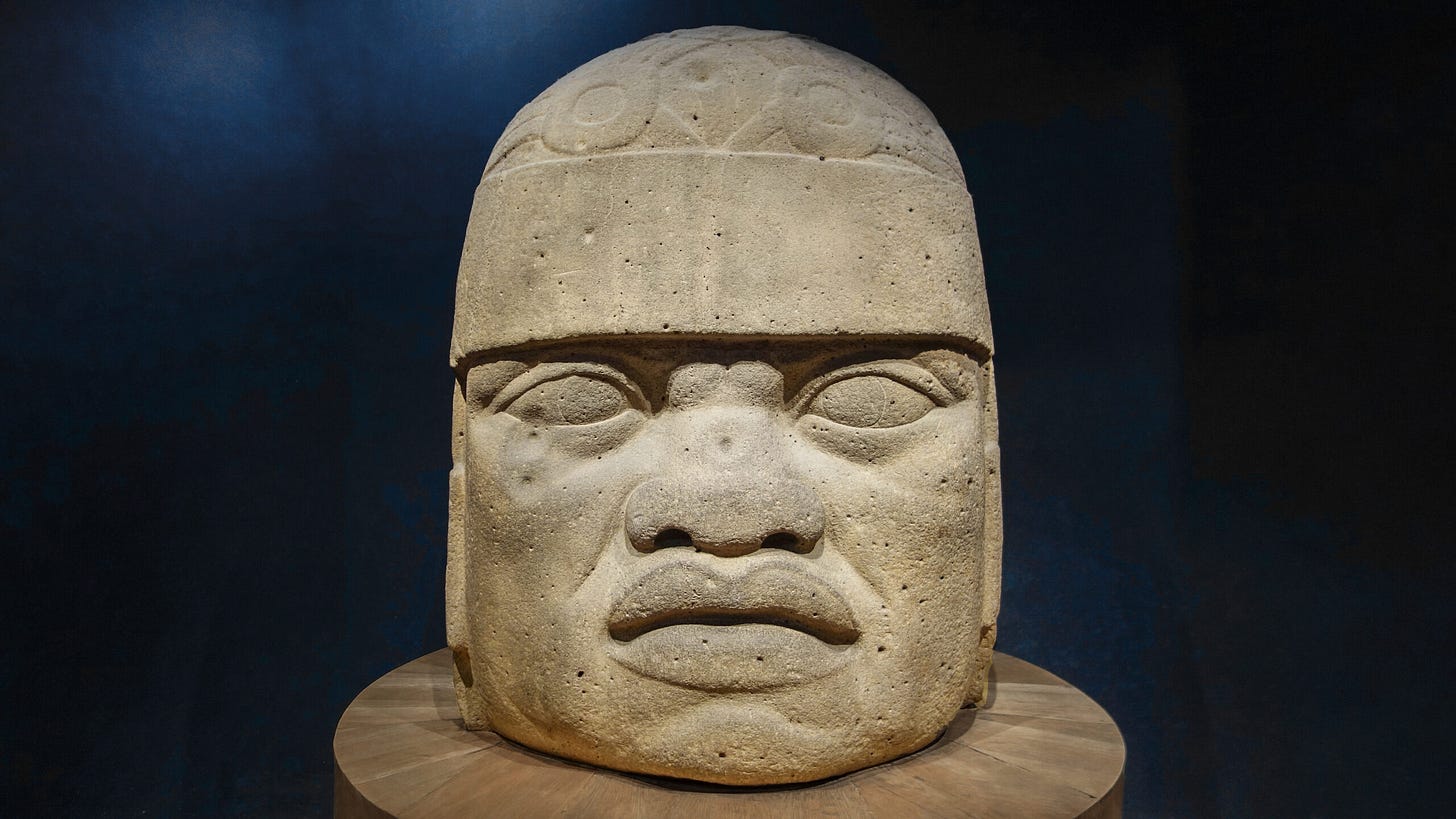
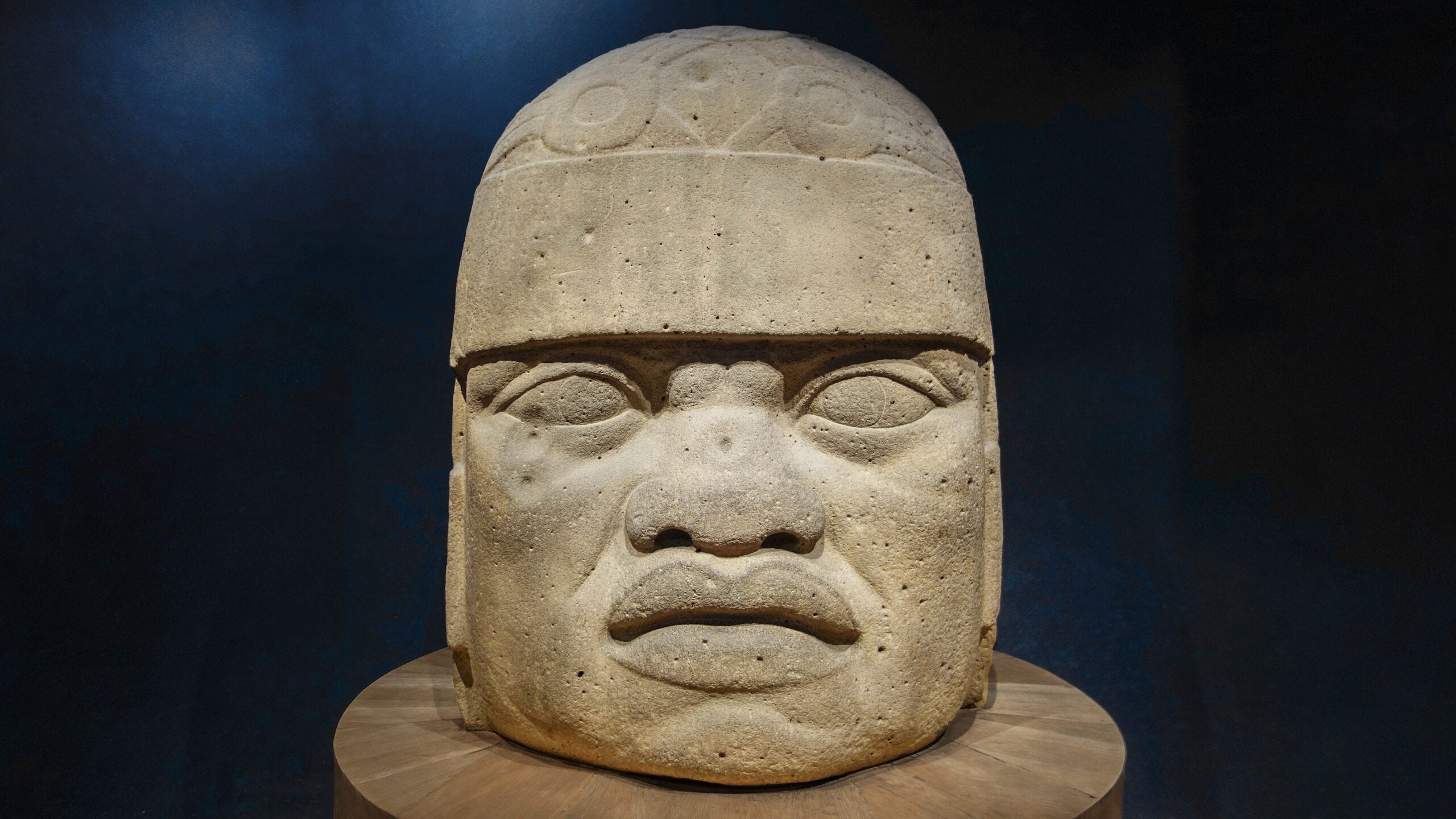
This colossal stone head is one of ten discovered at the archaeological site of San Lorenzo that date from at least 900 BC, a distinctive feature of which early Mesoamerican civilisation?
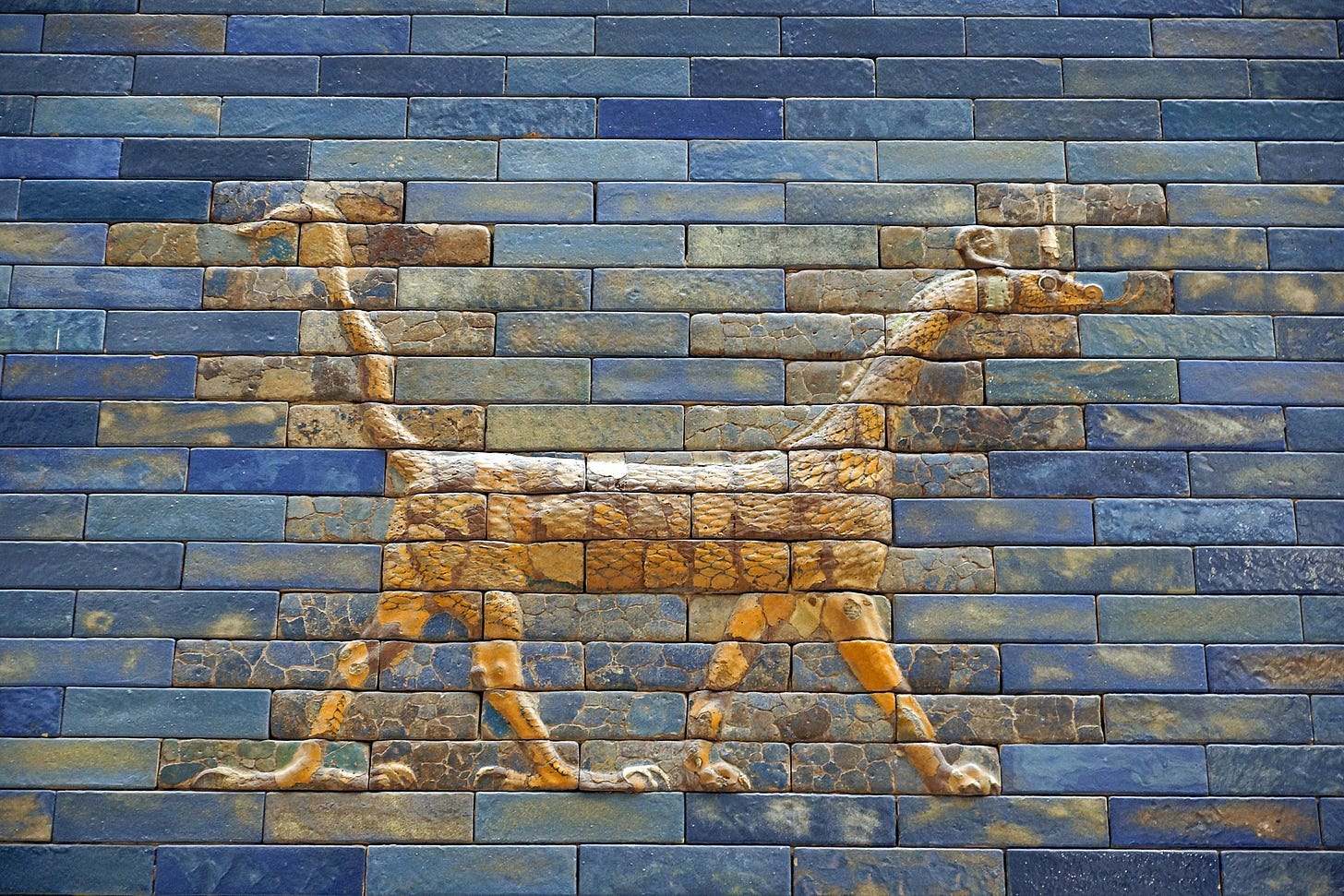
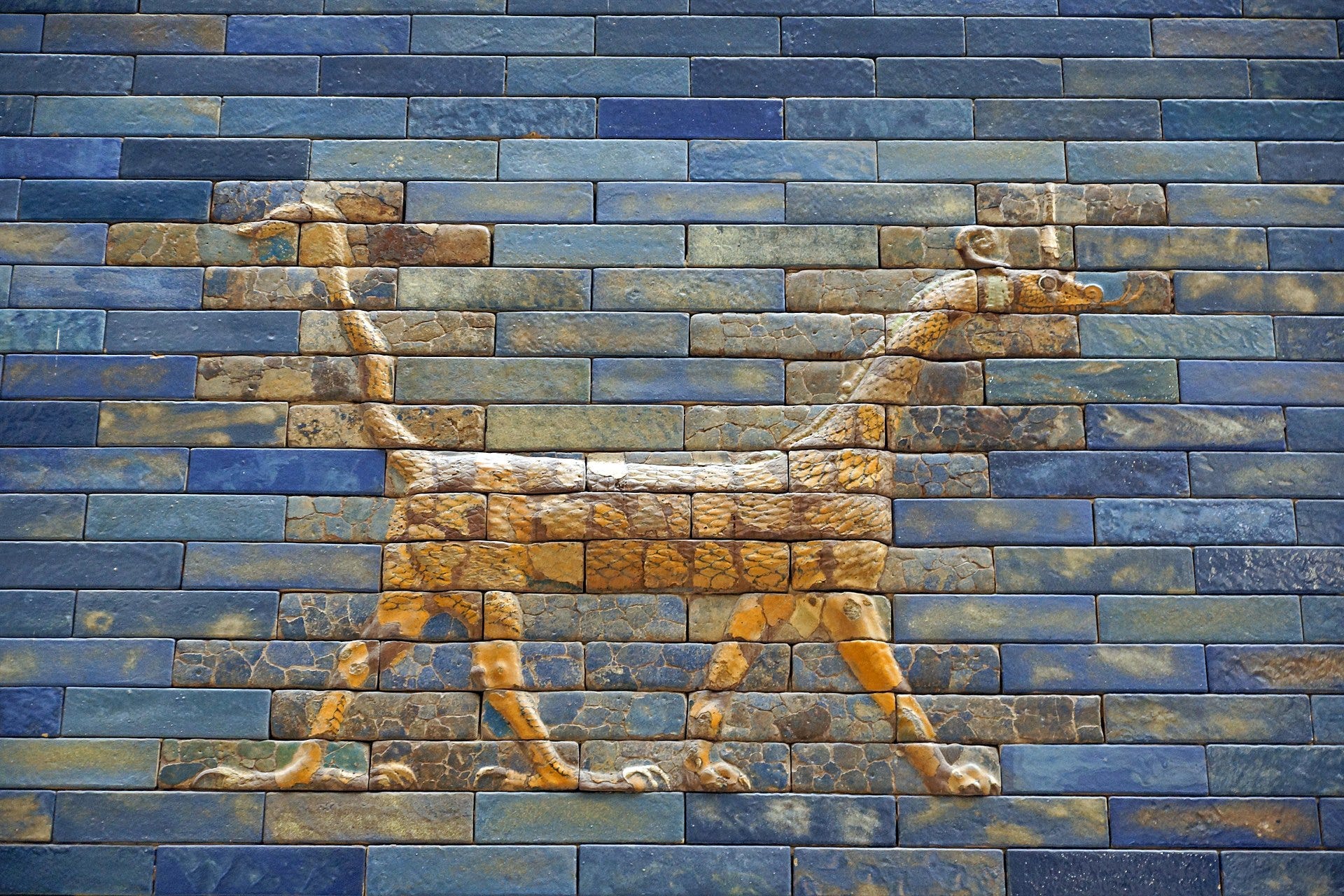
The mušḫuššu, a hybrid dragon-like creature, is depicted here on a panel from the Ishtar Gate, part of the inner city wall of which ancient city located in modern-day Iraq?
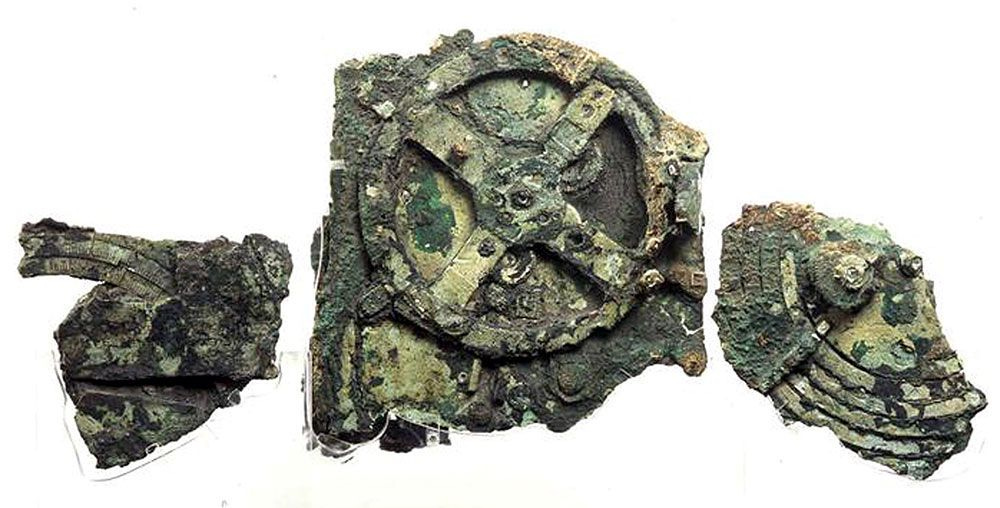
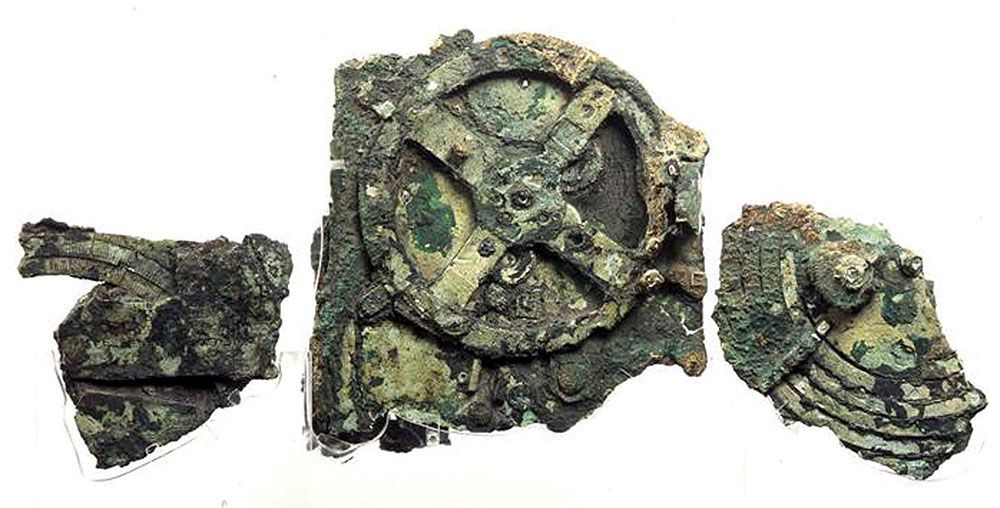
Dating from around the 2nd century BC, which Greek mechanical artefact recovered from a shipwreck is sometimes called the oldest example of an analogue computer?
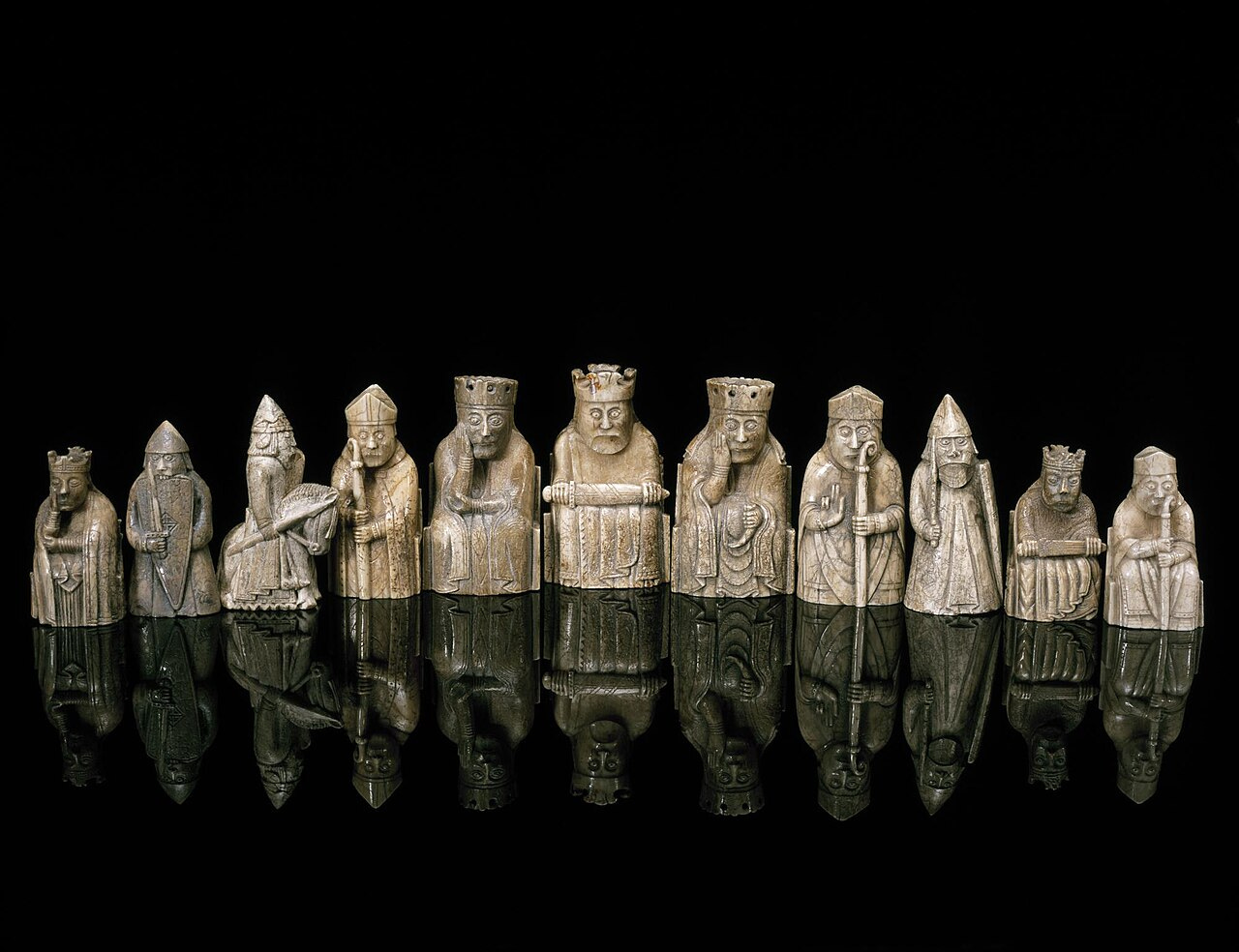
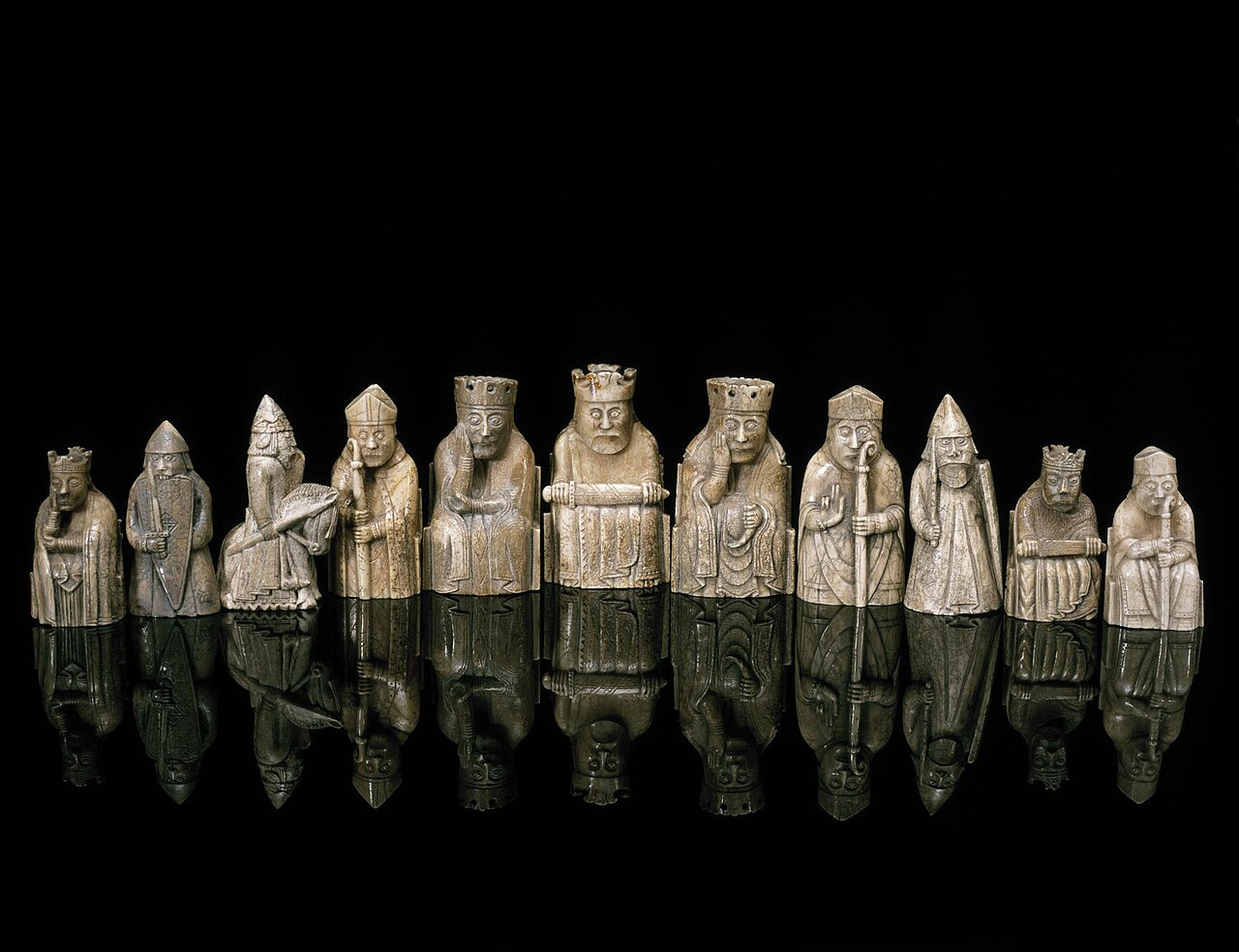
These 12th century chess pieces carved from walrus ivory were discovered in 1831 on which island in the Outer Hebrides in Scotland?
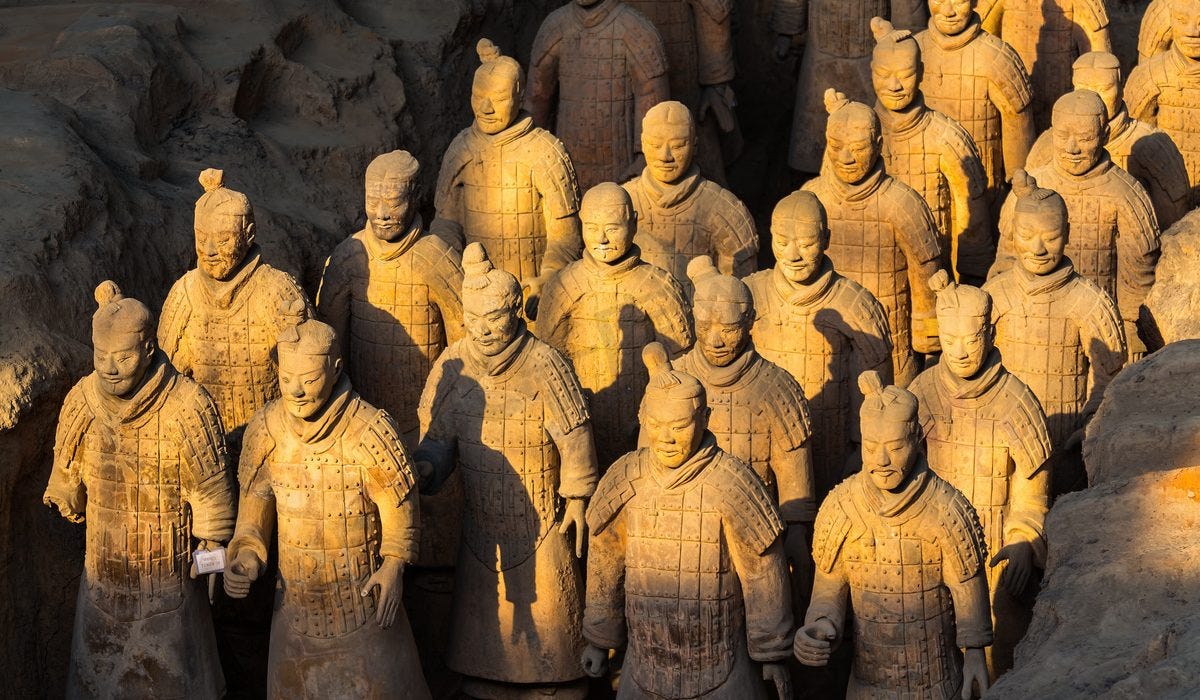
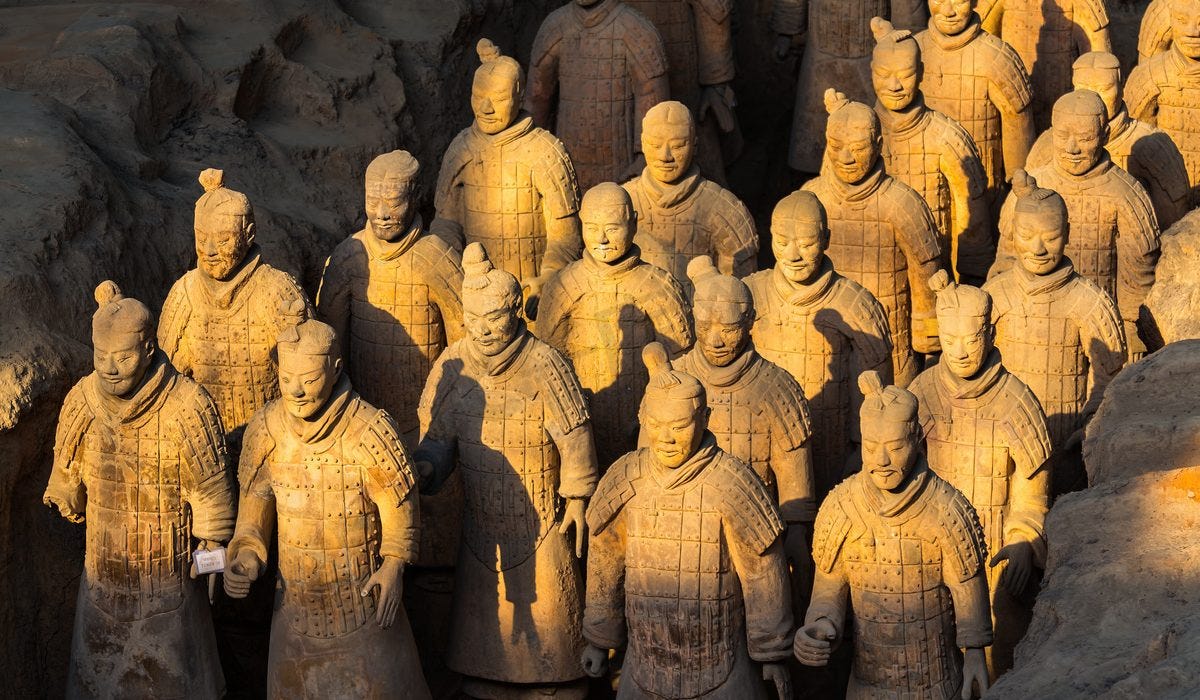
The Terracotta Army is a collection of over 8,000 warriors that were buried in the mausoleum of the first Chinese emperor, Qin Shi Huang, around 210 BC. It is located near which Chinese city, one of China’s Four Great Ancient Capitals, and the tenth largest in China today?
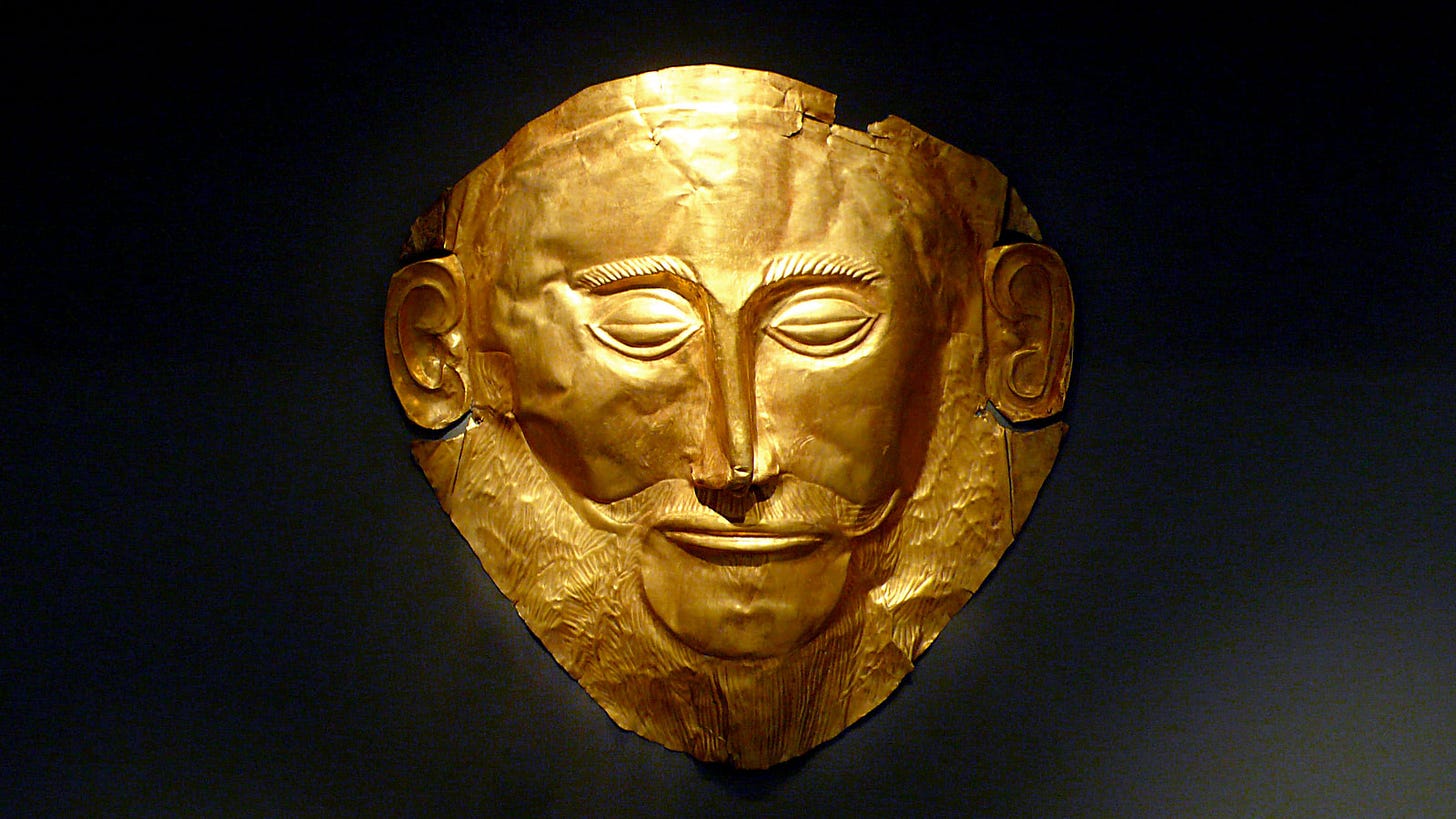
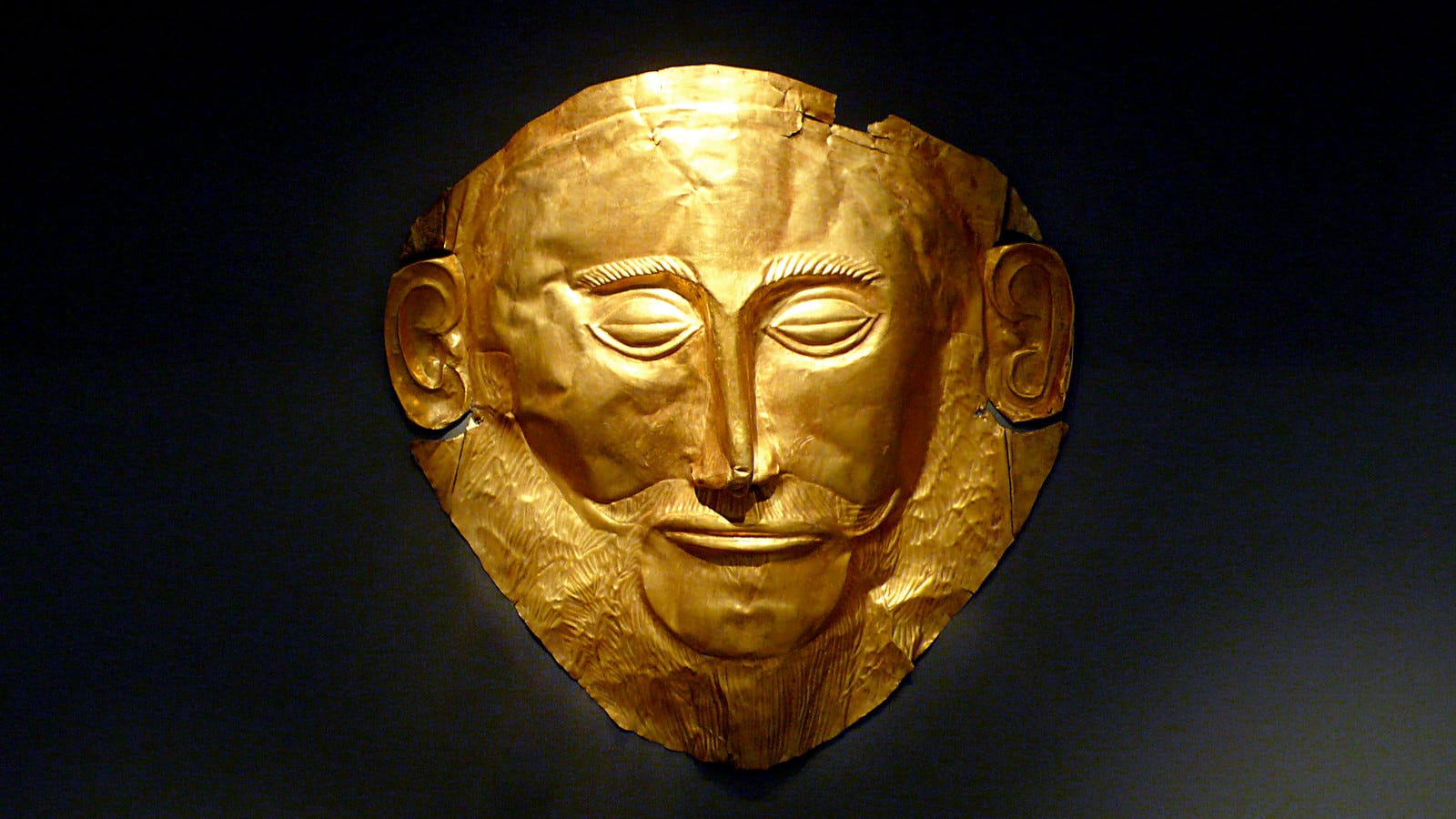
Discovered in Mycenae by German archaeologist Heinrich Schliemann in 1876, this golden funerary mask is named for which legendary king who commanded the Acheaens during the Trojan War?
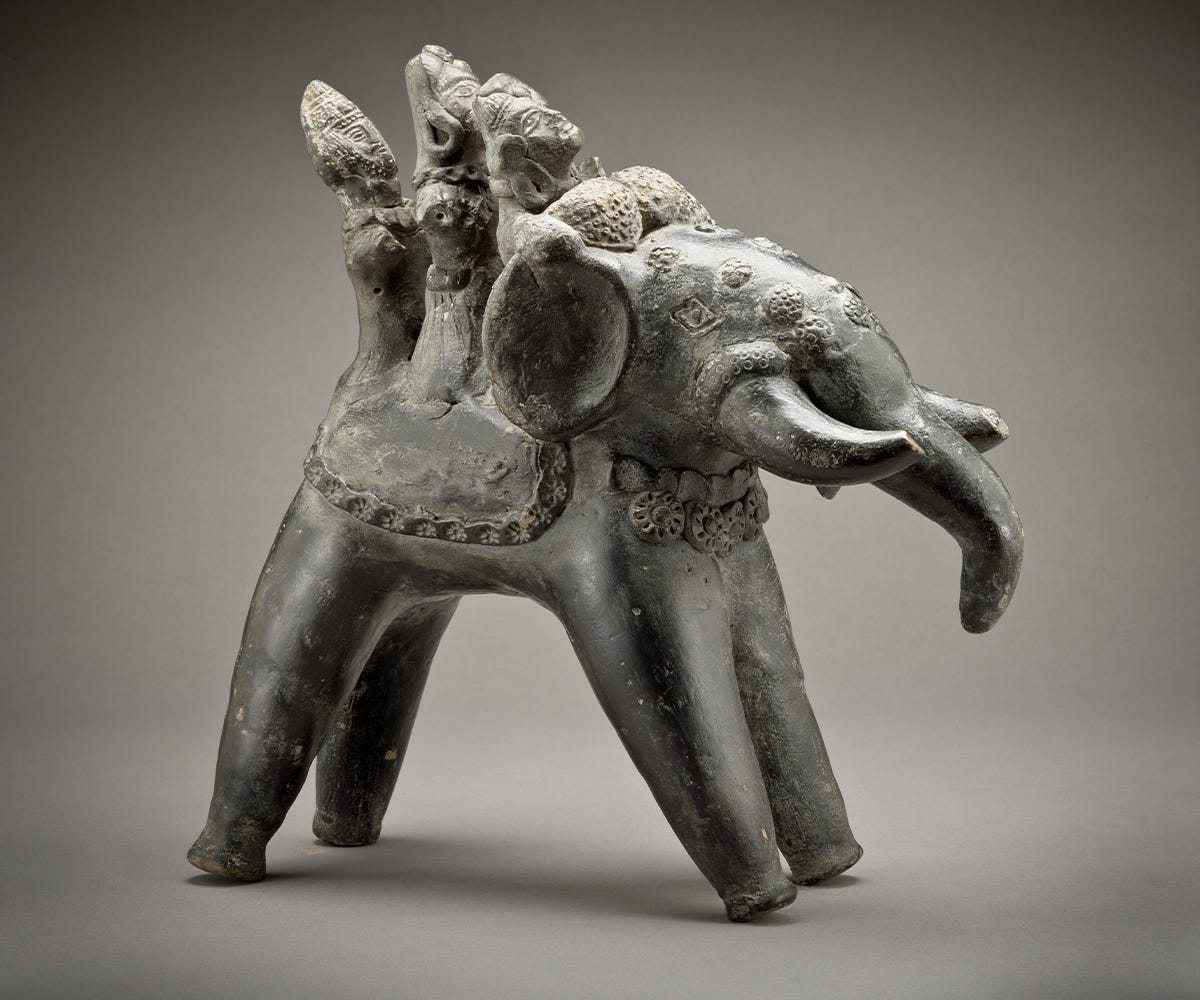
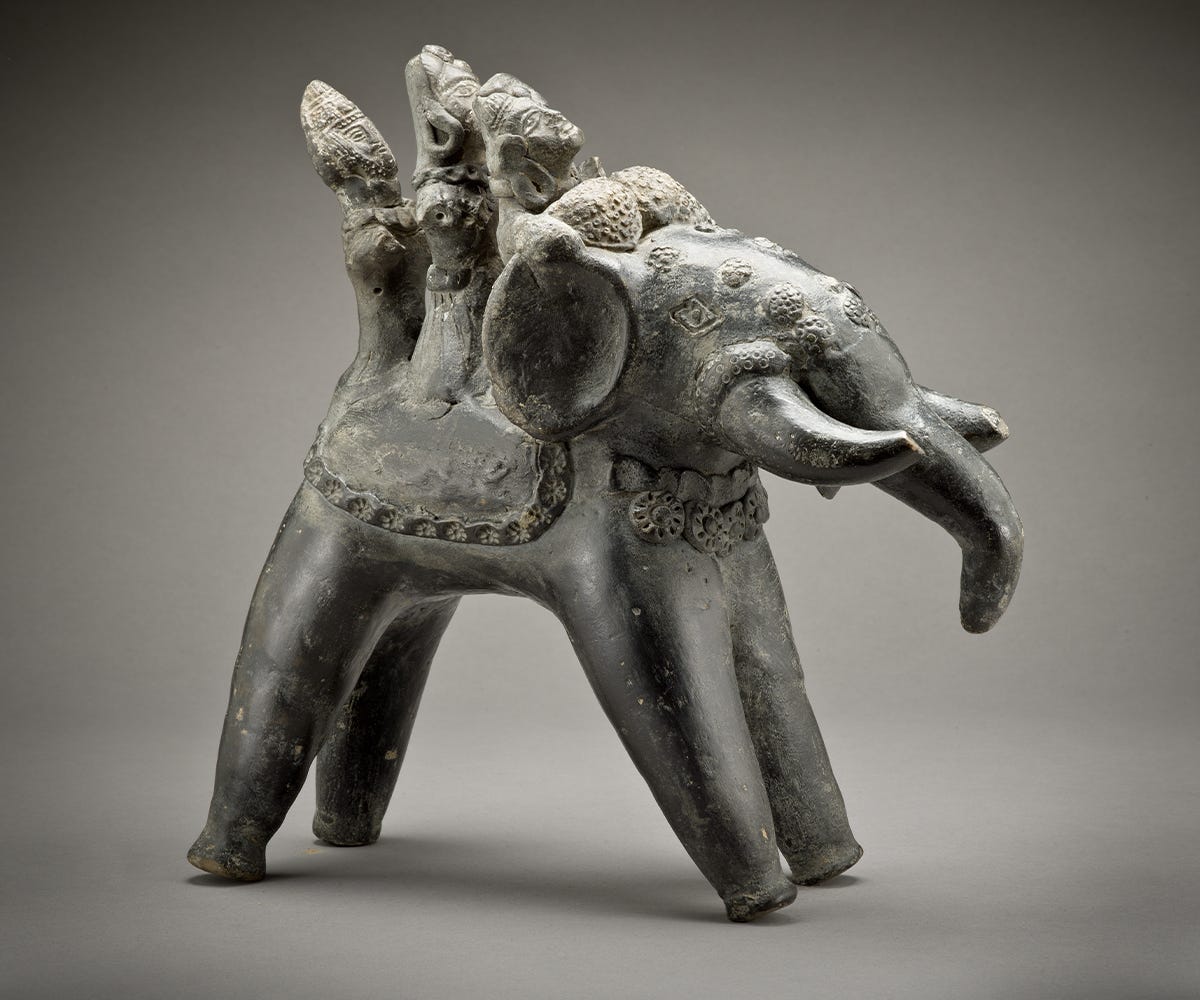
This terracotta statuette of an elephant with riders was found in Uttar Pradesh and dates to the 3rd-2nd century BC, during the period of which empire, the first to encompass most of the Indian subcontinent?
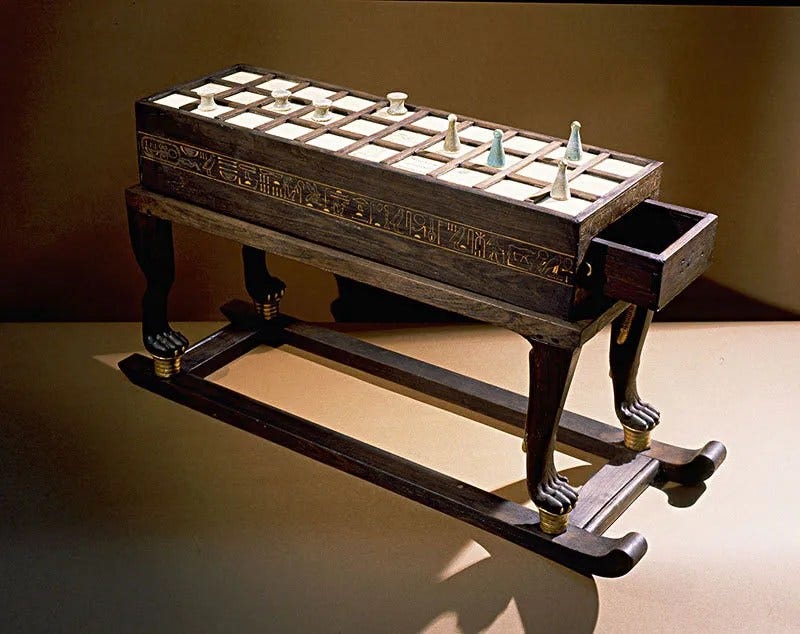
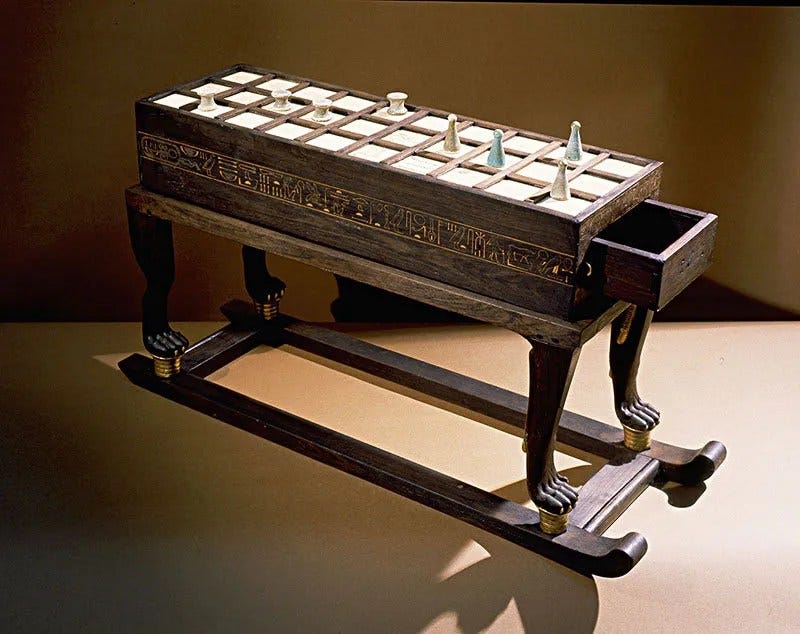
Found in the tomb of Tutankhamun, this is a playing board and pieces for which Ancient Egyptian board game, which was played for at least 2,000 years?
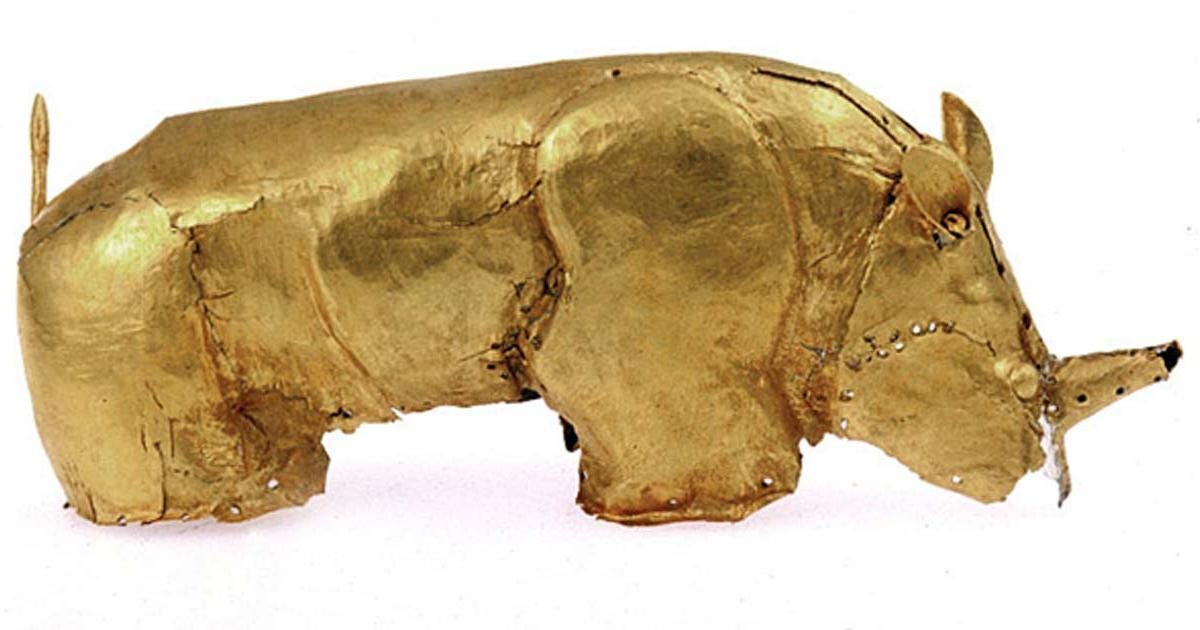
The 800-year-old golden rhinoceros of Mapungubwe was found in a royal grave from the ancient Kingdom of Mapungubwe, in which modern-day country? The highest civilian honour in this country is called the Order of Mapungubwe, with past winners including five Nobel laureates.

Answers
The Rosetta Stone. The stone contains the decree in Ancient Greek, Hieroglyphic Ancient Egyptian, and Demotic Ancient Egyptian.
Olmec. 17 confirmed heads have been discovered across four sites, ranging in height from 1.17m - 3.4m.
Babylon. The Ishtar Gate was constructed in the 6th century BC by order of Nebuchadnezzar II.
The Antikythera mechanism. Discovered off the coast of the island of Antikythera in 1901, later analysis has shown that the mechanism could be used to track astronomical cycles, predict solar eclipses, calculate the timing of athletic games, and more.
Lewis. The wonderfully expressive Lewis Chessmen were found on the Isle of Lewis, and were likely made in Norway.
Xi’an (formerly known as Chang’an). The construction of the tomb was recorded in Sima Qian’s Records of the Grand Historian (published around 91 BC). The tomb was said to include 100 rivers of mercury, and recent analysis of the soil shows high levels of residual mercury.
Agamemnon. While Schliemann was convinced that the mask belonged to Agamemnon, modern analysis suggests it dates to around the 16th century BC, a few hundred years before the supposed period of the Trojan War.
The Mauryan Empire. Founded by Chandragupta Maurya, the empire was at its peak during the reign of his grandson, Ashoka the Great, who played an important role in spreading Buddhism across Asia. The national emblem of India is an adaptation of the Lion Capital of Ashoka.
Senet. The board consists of 30 squares, and while the details of the original rules are not known with confidence, references in ancient texts indicate that the aim of senet (roughly meaning “passing through”) was to move pieces through the squares of the board from start to finish.
South Africa. The Kingdom of Mapungubwe (c. 1220-1300) was located in northern South Africa at the confluence of the Shashe and Limpopo rivers.