

Thursday Theme Quiz #31: Drinks around the world
A free weekly 10-question quiz on a single theme

Welcome to the 31st theme quiz!
This week’s theme is drinks from around the world. Enjoy!
Questions
The almost 4,000-year-old Sumerian clay tablet known as the Hymn to Ninkasi is a song of praise that also provides a recipe for making which beverage, one of the oldest and most widely consumed in the world? In Sumerian it was known as kaš, and names for it around the world today include cerveza, pivo, and maek-ju.
Endemic to the south-western highlands of Ethiopia, which species of coffee plant accounts for 60% of global production, with most of the remaining production from the robusta plant?
The pisco sour, a cocktail made from pisco brandy, is claimed as a national drink by which two South American countries?
Popular across the Pacific Islands, where it is consumed socially and ceremonially, usually from a communal bowl, which psychoactive beverage is made by grinding the root of its namesake plant, Piper methysticum?
Purportedly created during the early Qing dynasty era in China when fleeing villagers quickly dried their harvested tea leaves over open fires, which two-word black tea variant is known for its smoky aroma and flavour?
Mevlut Karataş, the protagonist of Orhan Pamuk’s 2014 novel A Strangeness in My Mind, is a street vendor who sells which traditional Turkish beverage, a malt drink made by fermenting millet?
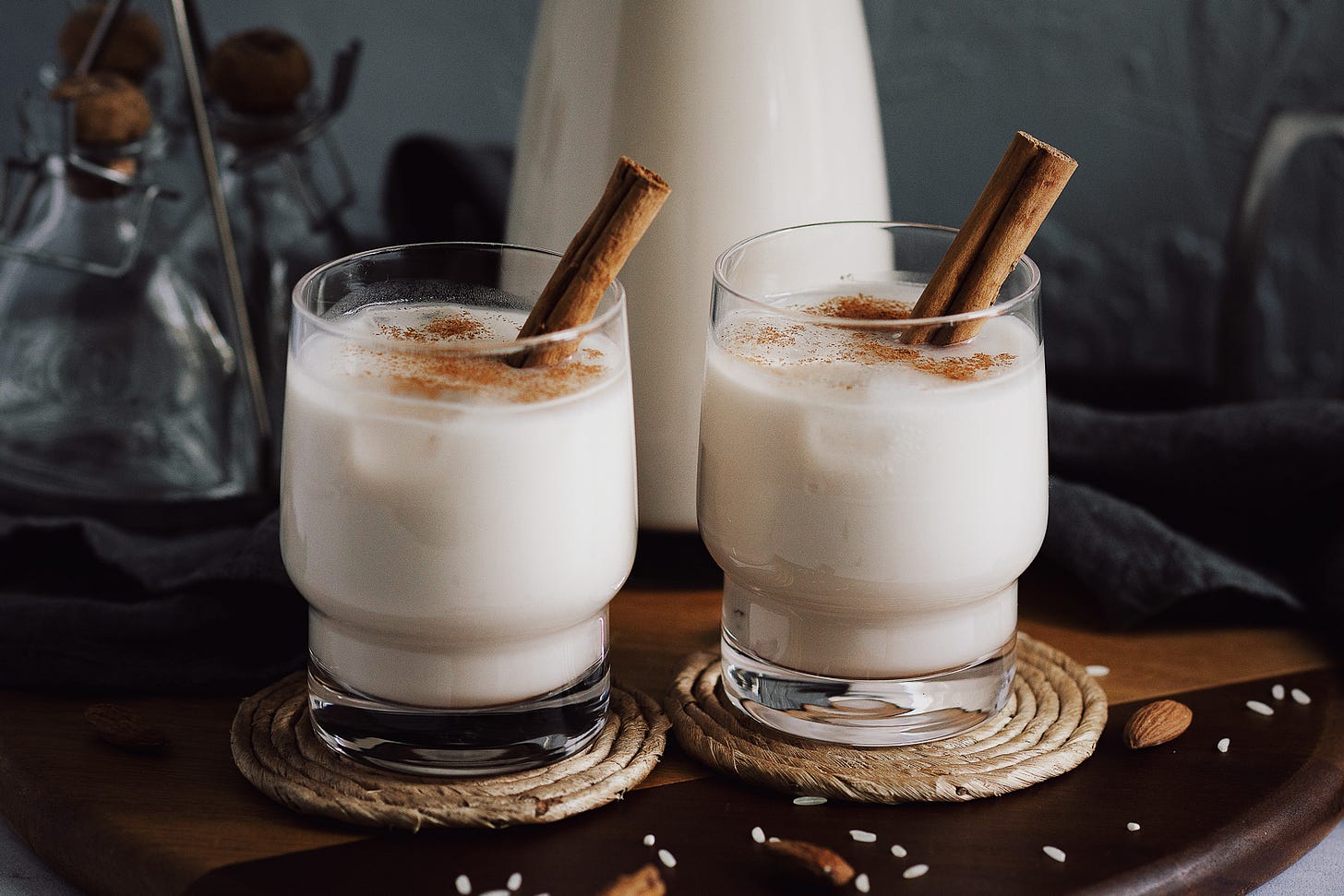
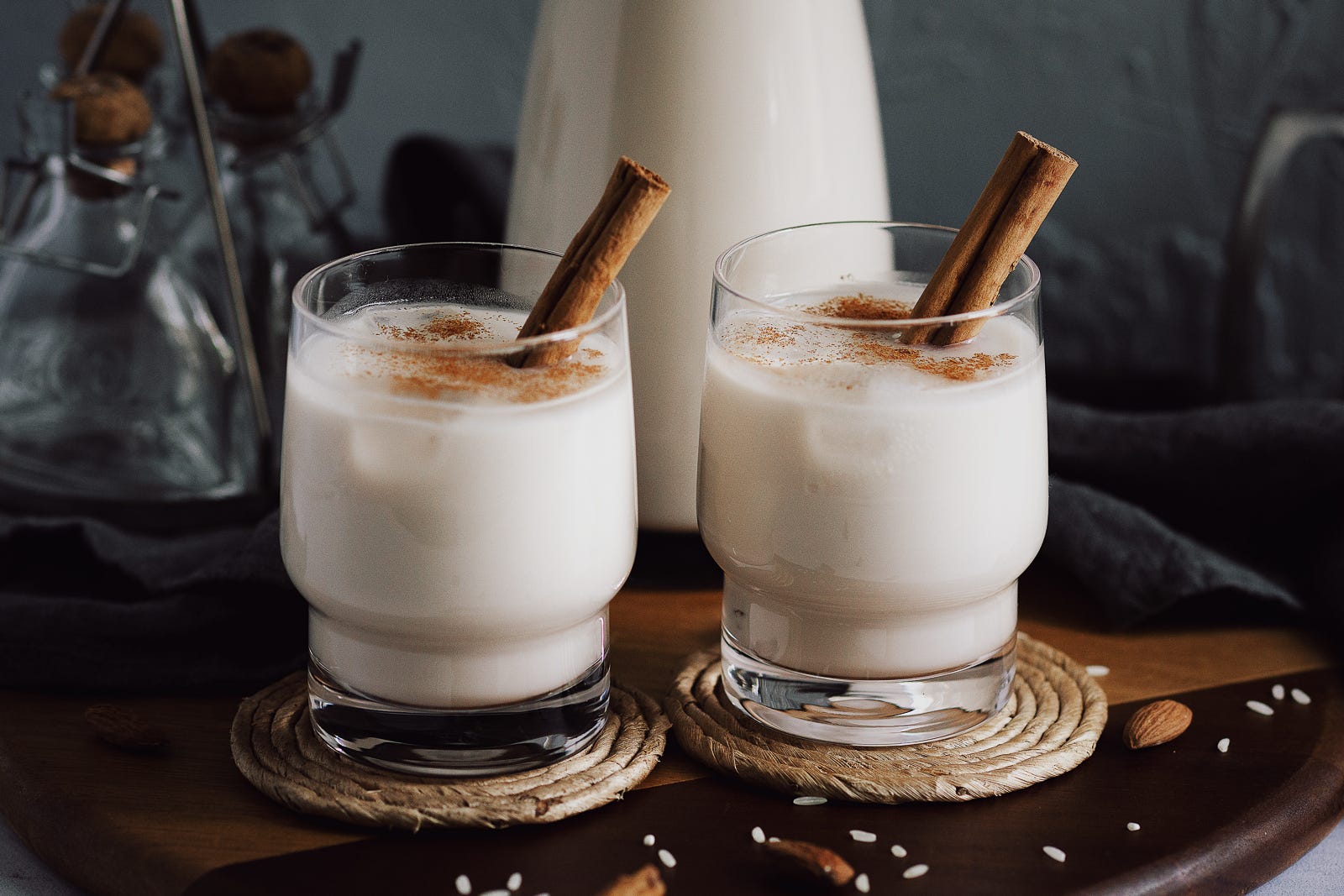
Popular in Mexico, the basic form of which agua fresca beverage is made by soaking rice in water, typically with cinnamon and sometimes vanilla, which is blended, sweetened and strained?
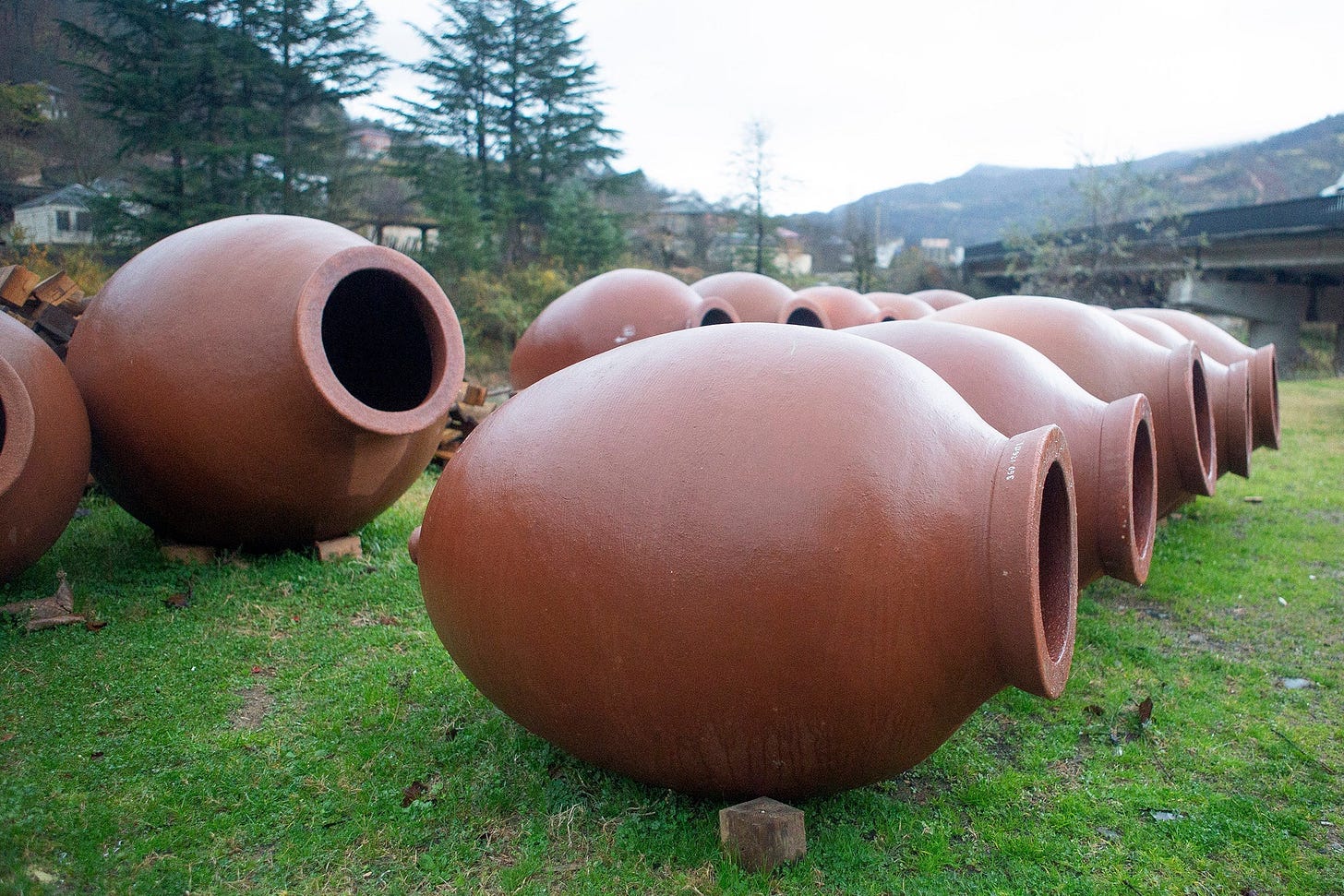
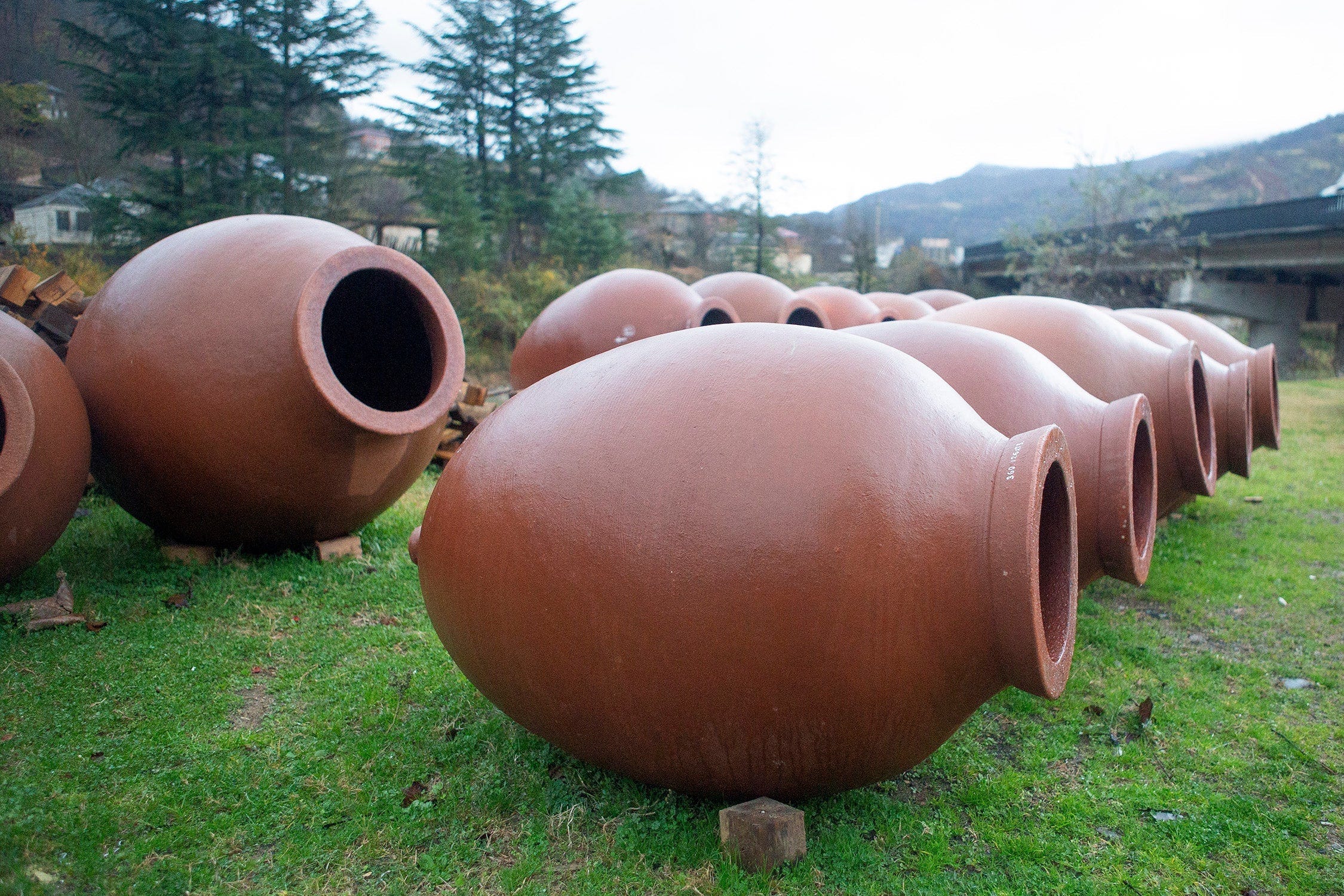
The large earthenware jugs known as kvevri are traditionally filled with grape juice, skins, stalks, and pips, then sealed and buried below ground, where the contents are left to ferment for around six months. With evidence of their use dating back to the 6th millennium BC, they are part of the traditional wine-making culture of which modern-day country?
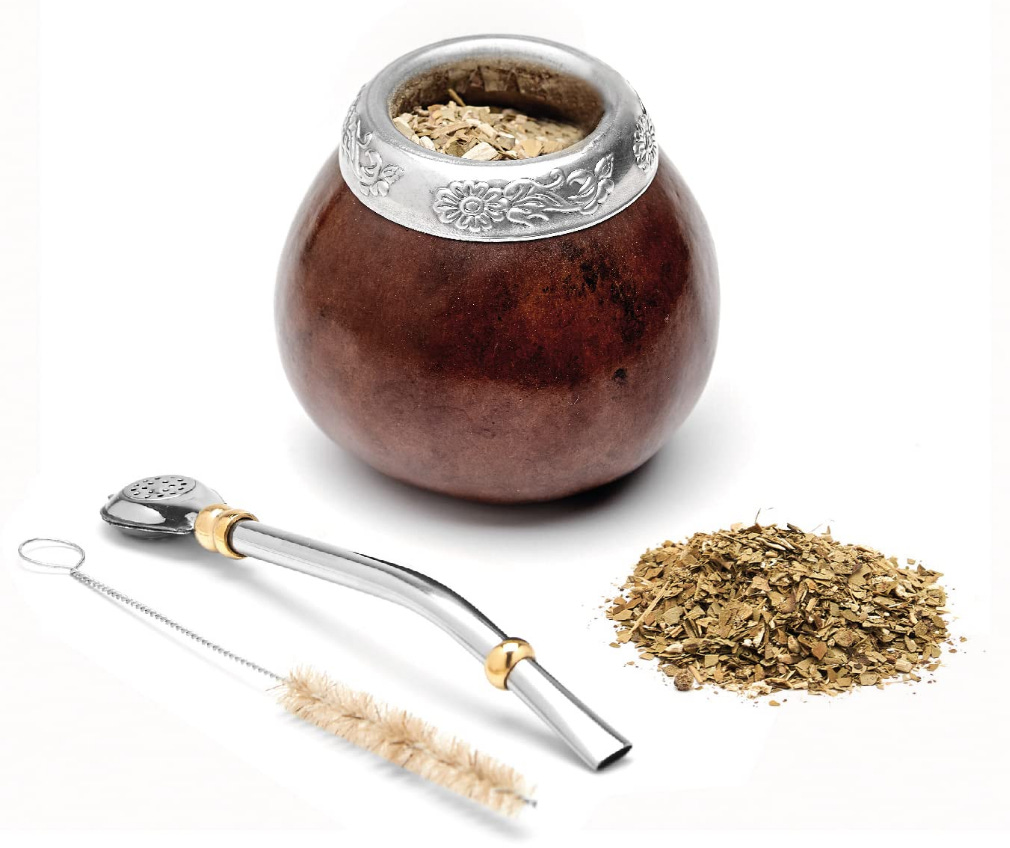
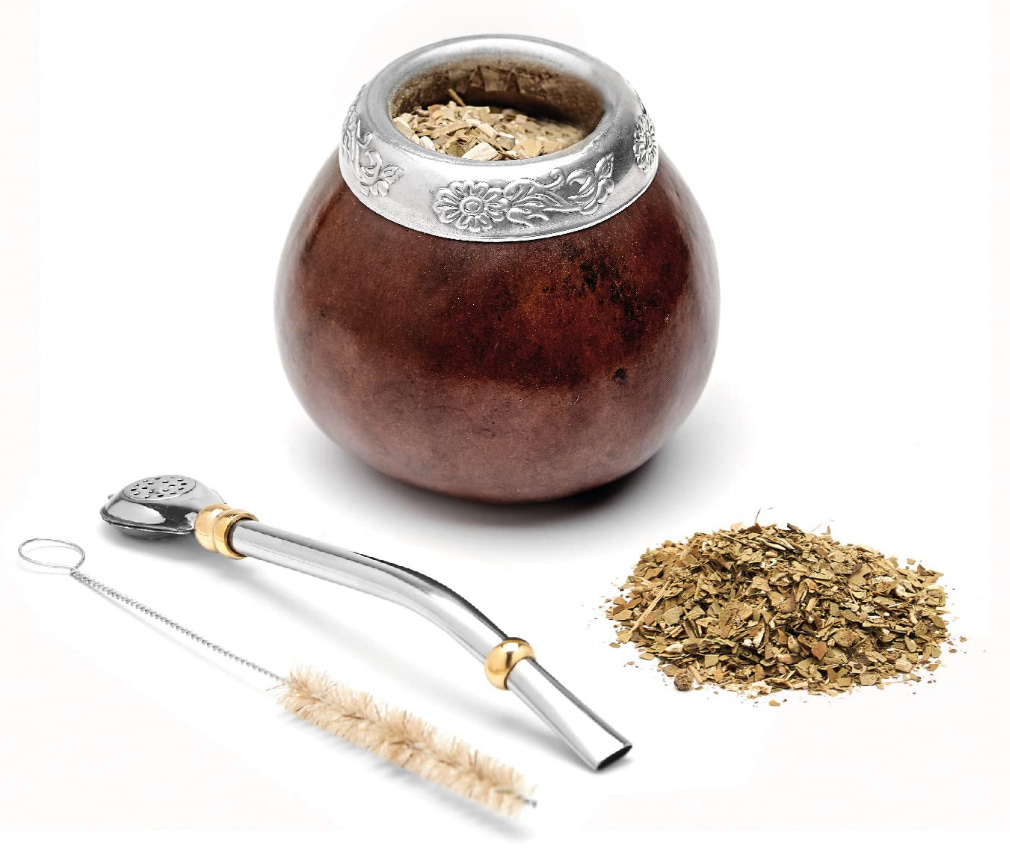
The popular South American drink mate, or yerba mate, is typically consumed from a hollowed-out calabash gourd with a specialised metal straw with a perforated end that acts as a filter. What name, from the Spanish for “little pump”, is given to this straw?
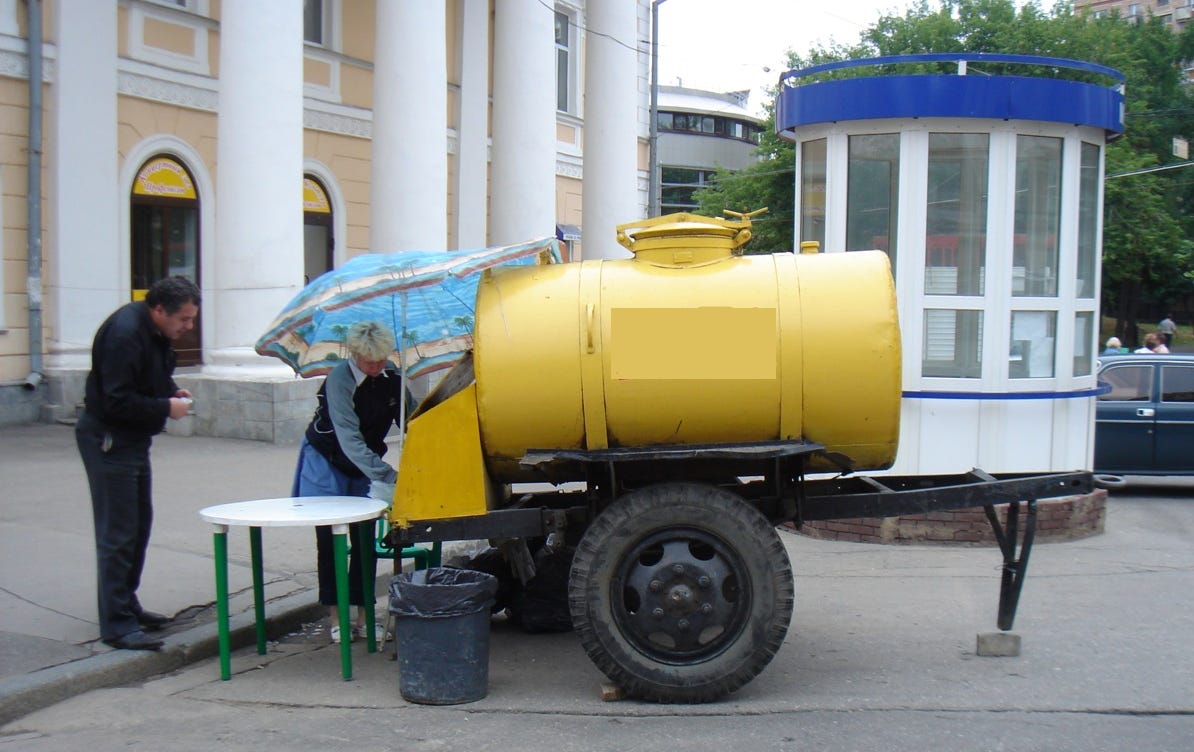
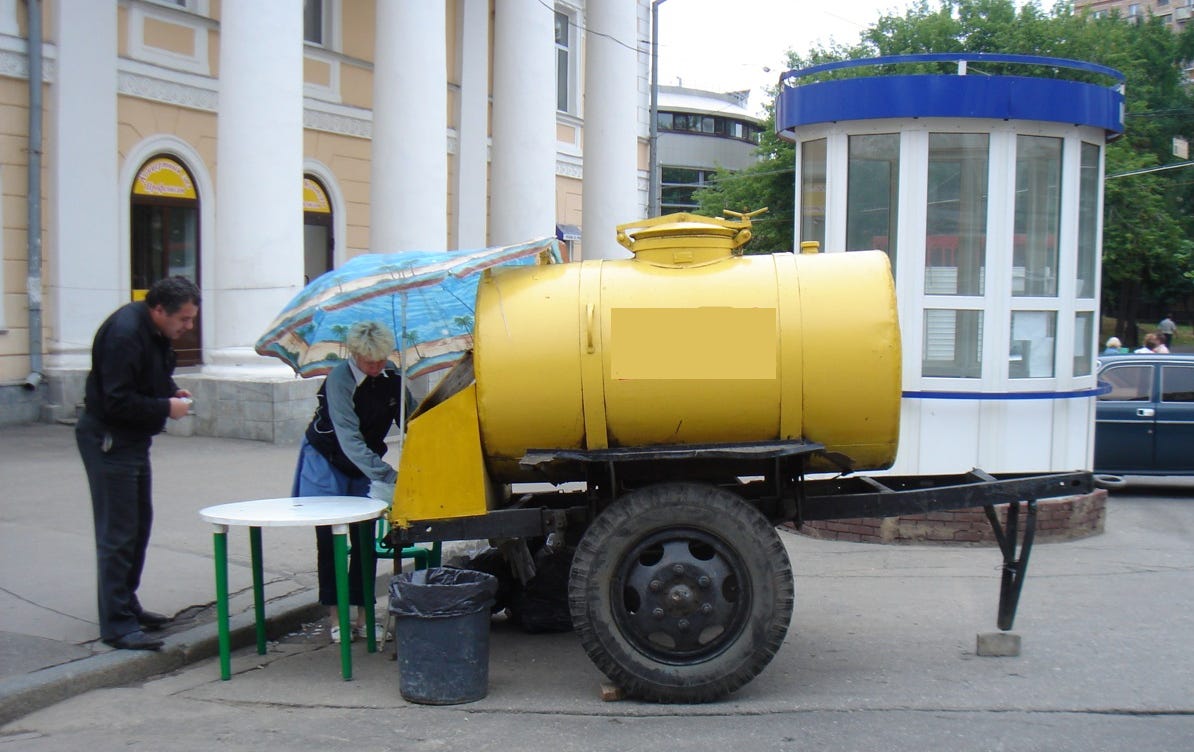
These large, portable yellow tanks can often be seen in summer across Eastern Europe selling which cloudy, sweet-and-sour fermented drink made from rye?
And that’s this week’s theme quiz! I hope you enjoyed it.
Answers
Beer. Ninkasi was the Mesopotamian goddess of beer and brewing. Cerveza is beer in Spanish, pivo (Пиво) is Russian, and maek-ju (맥주) is Korean.
Arabica (Coffea arabica). Arabica coffee is more acidic, less bitter and contains almost 50% less caffeine than robusta coffee. The earliest credible reports of coffee drinking are from Yemen in the 15th century, and until the end of the 17th century, most coffee globally was imported from Yemen.
Peru and Chile. Both Peru and Chile claim the pisco sour as a national drink and assert ownership of the base spirit pisco, which is produced in both countries. The cocktail itself is widely agreed to have been invented in the 1920s in Lima. Modern versions of the Peruvian pisco sour include egg white and bitters, while the Chilean version excludes these two ingredients.
Kava. Kava is an important ceremonial and recreational drink across Polynesia, Micronesia, and Melanesia. Alongside the mild psychoactive effects, it also produces a numbing sensation in the mouth. Its name originates from Tongan and Marquesan, and means “bitter”, though in my experience “muddy” might be a more accurate description of its taste.
Lapsang souchong. The story goes that villagers in the Wuyi Mountains in Fujian fled from advancing Qing soldiers, quickly plucking new leaves and drying them over the fire, before burying them in sacks. Despite the smoky odour, the tea leaves were shipped and sold to Dutch traders, and its thought that the partial oxidation from the smoke effectively preserved the quality over the long journey to Europe, and the souchong tea sold, with the Dutch traders returning to request more.
Boza. Consumed in the region for more than a millennium, boza was extremely common in the Ottoman Empire, even through the brief periods when it was banned. A 17th century Turkish traveller wrote that during a ban under Sultan Mehmed IV, it was still widely drunk and there were 300 boza shops in Istanbul. Boza has a low alcohol content of around 1% and slightly acidic sweet flavour.
Horchata. The name horchata likely derives from the Latin term hordeata, which was the name of a Roman barley-based drink. In Mexico it is typically served cold in a glass or traditional clay cup, and garnished with cinnamon. A similar drink in Spain, now known as horchata de chufa, is made with soaked, ground and sweetened tiger nuts (which are also called chufa).
Georgia. The clay for kvevris (or qvevris) is chosen carefully, as its characteristics will influence the mineral content of the wine. Once a kvevri has been used, it is washed, sterilised with lime and re-coated with beeswax, ready to be used again. Kvevri and the associated tradition of wine-making in Georgia was added to the UNESCO List of Intangible Cultural Heritage in 2013.
Bombilla. The perforated end of the bombilla functions similarly to a metal screen in a teapot, used to separate the infusion from the stems, leaves, and other debris.
Kvass. Kvass is a low-alcoholic drink traditionally consumed in many Slavic countries and parts of the Baltic and Caucasus regions. While it contains a small amount of alcohol, it is often considered the national non-alcoholic drink of Russia (with the national alcoholic drink being vodka). The first recorded mention of kvass was in the 12th century Primary Chronicle of Kievan Rus, describing the celebration of the baptism of Vladimir the Great in 988.