

Thursday Theme Quiz #10: The human body
A free weekly 10-question quiz on a single theme

Welcome to the tenth Thursday Theme Quiz!
This week’s theme is the human body. We’ve all got one, so this is an opportunity to learn another thing or two about it! Enjoy.
Questions
Recalling the Ancient Greek myth of Prometheus, what is the only visceral organ with the capacity to regenerate?
When measuring blood pressure (such as 120/80), the top number represents systolic pressure, or the pressure at each heartbeat as the heart pumps blood around the body. What term is used for the bottom number in the reading, which represents the pressure in between heartbeats?
The aqueous humour and vitreous humour can be found in which part of the body?
Which small gland at the base of the brain regulates many physiological processes including growth, metabolism, and stress, and is sometimes called the “master gland” because it controls the functions of many other endocrine glands?
Sometimes called the “tailor’s muscle”, which muscle that runs down the length of the thigh is the longest in the human body?
The four main components of blood are plasma, red blood cells, white blood cells, and which small cell fragments that are responsible for clotting?
Jaundice is a condition that results from high levels of which yellow-orange substance, a natural waste product from the breakdown of old red blood cells?
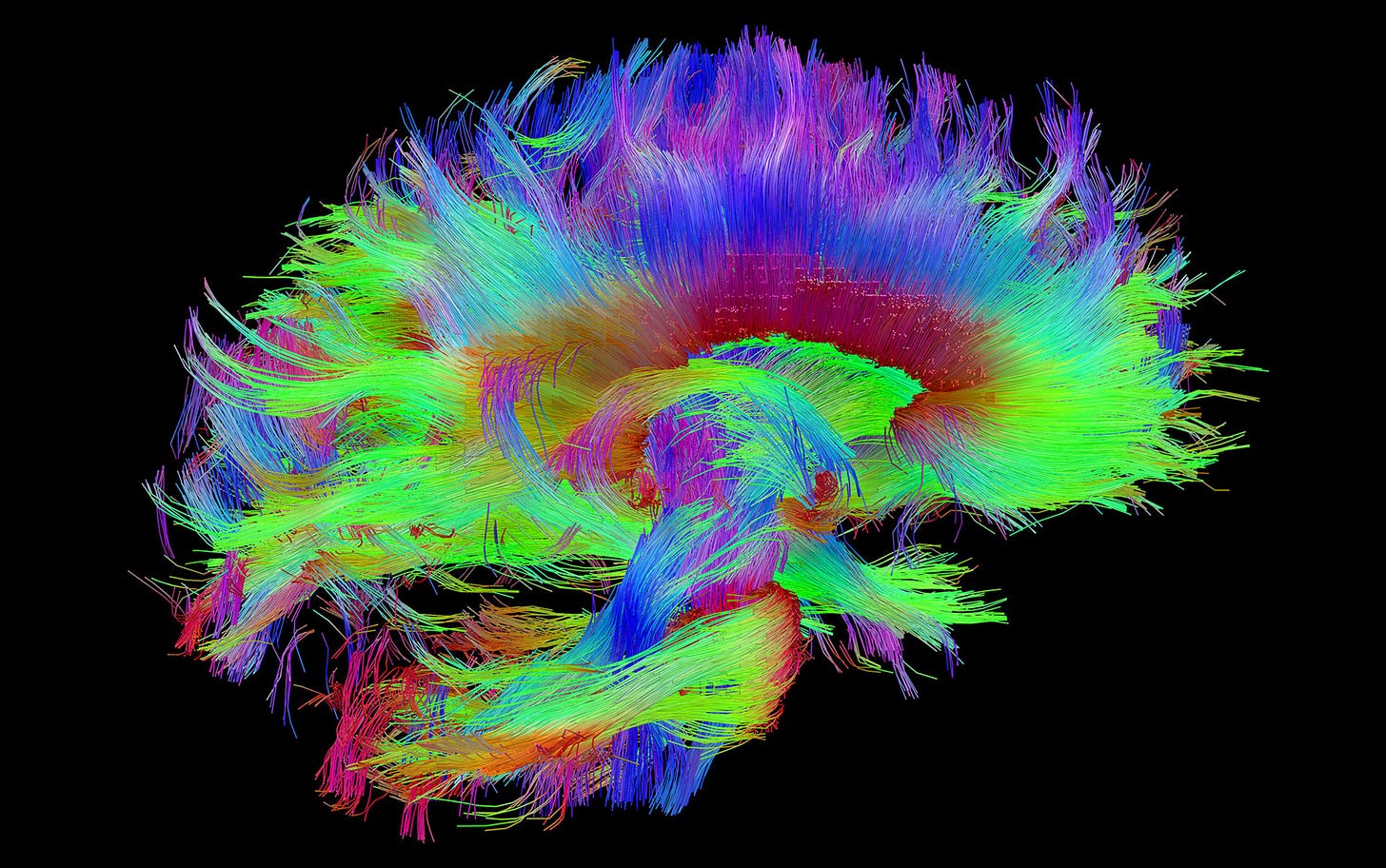
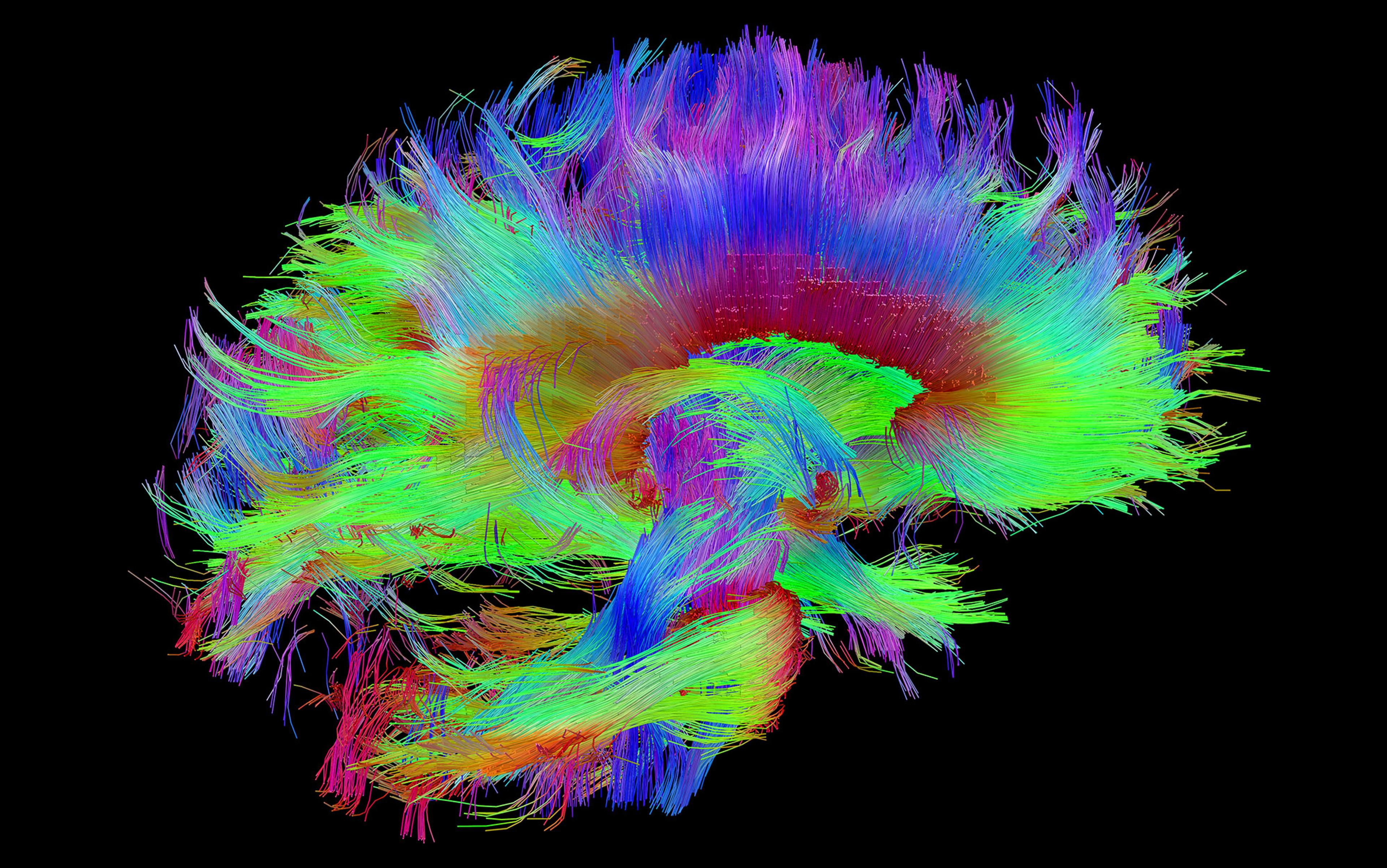
What 10-letter portmanteau term describes a comprehensive map of neural links in the brain? The term was coined in 2005 and was inspired by the ongoing effort to sequence the human genetic code.
Canadian model Winnie Harlow is a public spokesperson on which condition, characterised by depigmentation of patches of skin?

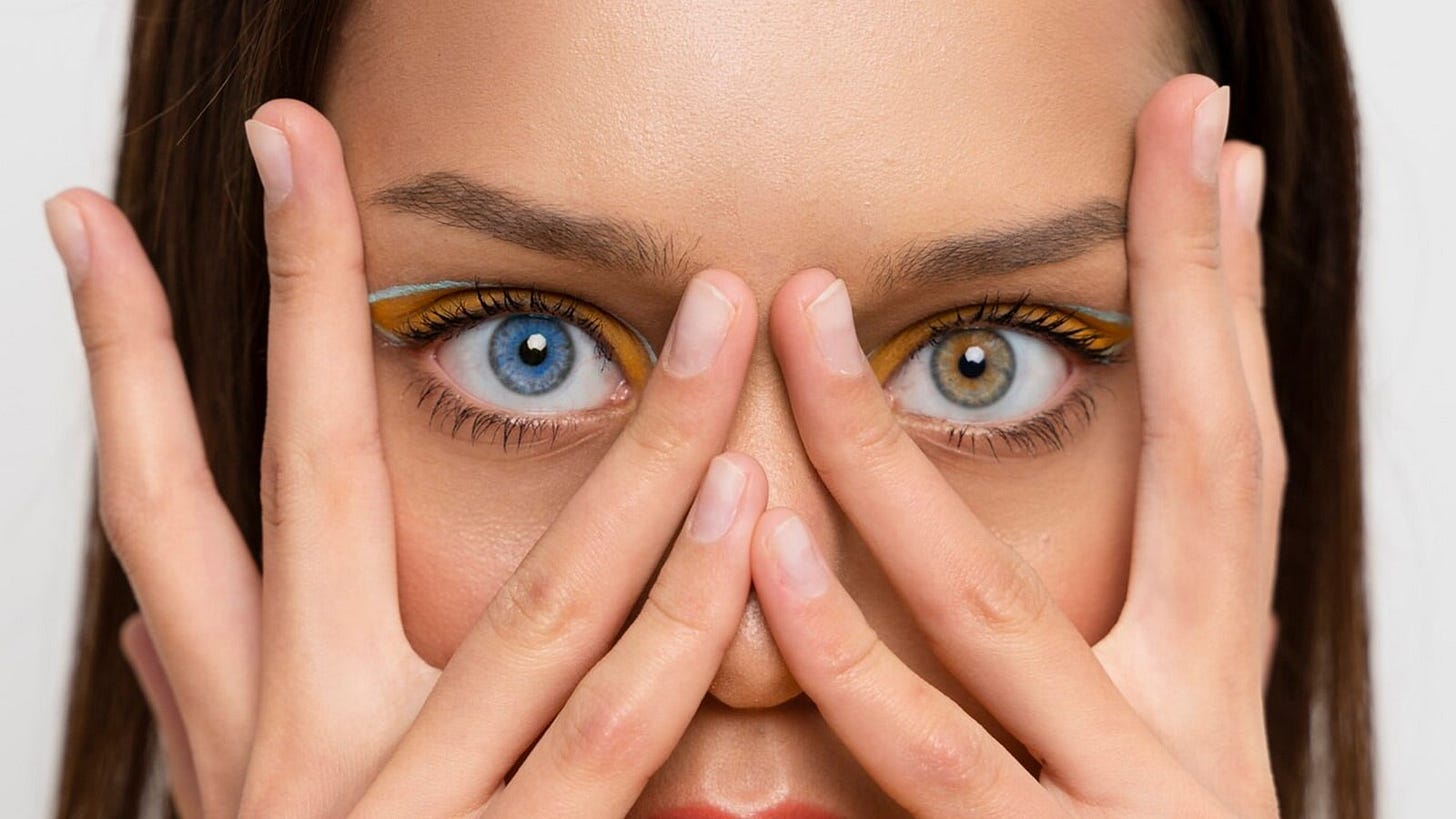
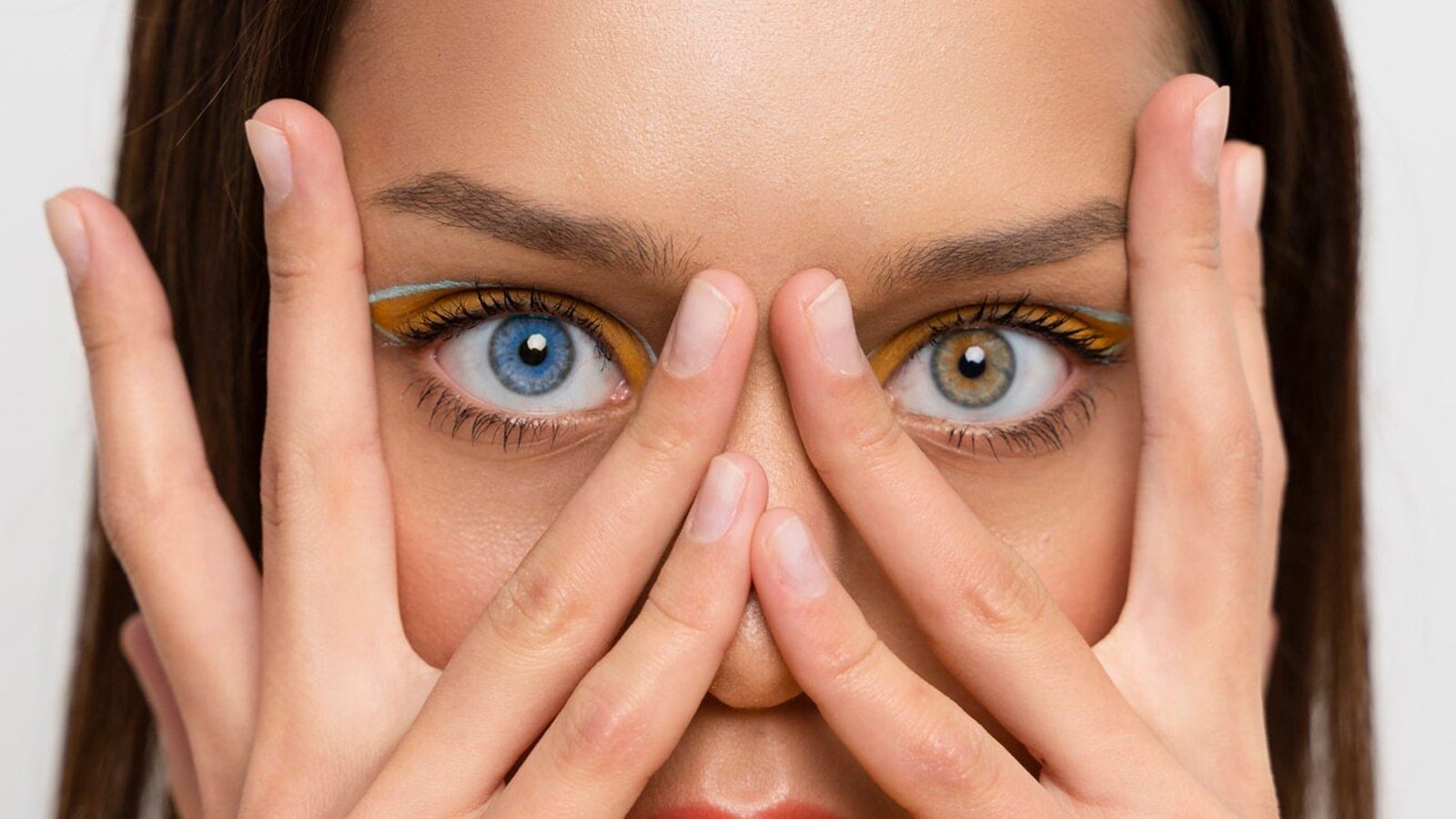
Byzantine chronicler John Malalas wrote of emperor Anastasius I, “His right eye was light blue, while the left was black, nevertheless his eyes were most attractive.” Malalas was describing what 13-letter term, from the Ancient Greek for “different colour”, for differences in colour between the eyes?

And that’s this week’s theme quiz! I hope you enjoyed it.
Answers
The liver. Only 10% of the liver mass is required for it to regenerate back to its full size. In Greek mythology, Prometheus was chained to a rock for stealing fire and giving it to humans. Every day, an eagle would eat his liver, only for it to grow back each night and be eaten again the next day.
Diastolic pressure. During each heartbeat, blood pressure varies between a maximum (systolic) and a minimum (diastolic) pressure. The difference between the two is called the pulse pressure.
The eyes. The aqueous humour is a transparent liquid found between the cornea and the lens, and the vitreous humour is a transparent gel between the lens and the retina.
The pituitary gland. Among the hormones it produces are growth hormone, thyroid-stimulating hormone (which regulates the thyroid), and adrenocorticotropic hormone (which regulates the adrenal glands).
The sartorius muscle. Its name comes from the Latin for “tailor”, sartor, which also gives us the adjective sartorial, broadly meaning “relating to clothes or tailoring”.
Platelets (or thrombocytes). Some drugs used to treat inflammation suppress or disrupt normal platelet function, such as aspirin.
Bilirubin. When red blood cells die, haemoglobin is broken down, creating bilirubin, which is processed by the liver and excreted in bile. Interestingly, bilirubin was thought to be exclusive to animals, but in 2009 researchers discovered that the Strelitzia nicolai (the white bird of paradise plant) also produces the pigment.
Connectome. Similar to the Human Genome Project, the Human Connectome Project was launched in 2009 with the goal of building a network map on the anatomical and functional connectivity of the brain.
Vitiligo. Vitiligo is an autoimmune disorder whose cause is unknown, though it likely involves immune system changes related to both genetic and environmental factors. The first description of the condition dates back to Ancient Egypt around 1500 BC.
Heterochromia (heterochromia iridum). Heterochromia can be inherited, or can be due to mosaicism, chimerism, disease, or injury. German polymath Johann Wolfgang von Goethe is another historical figure who had heterochromia. While it is rare in humans, it is more common in some other mammals, such as domesticated dogs and cats.